What Sounds Help You Sleep? A Simple Guide
From rain and white noise to 432 Hz music, some sounds genuinely help you fall and stay asleep. This guide explains which sounds work, why, and how to choose the right one for your nights.

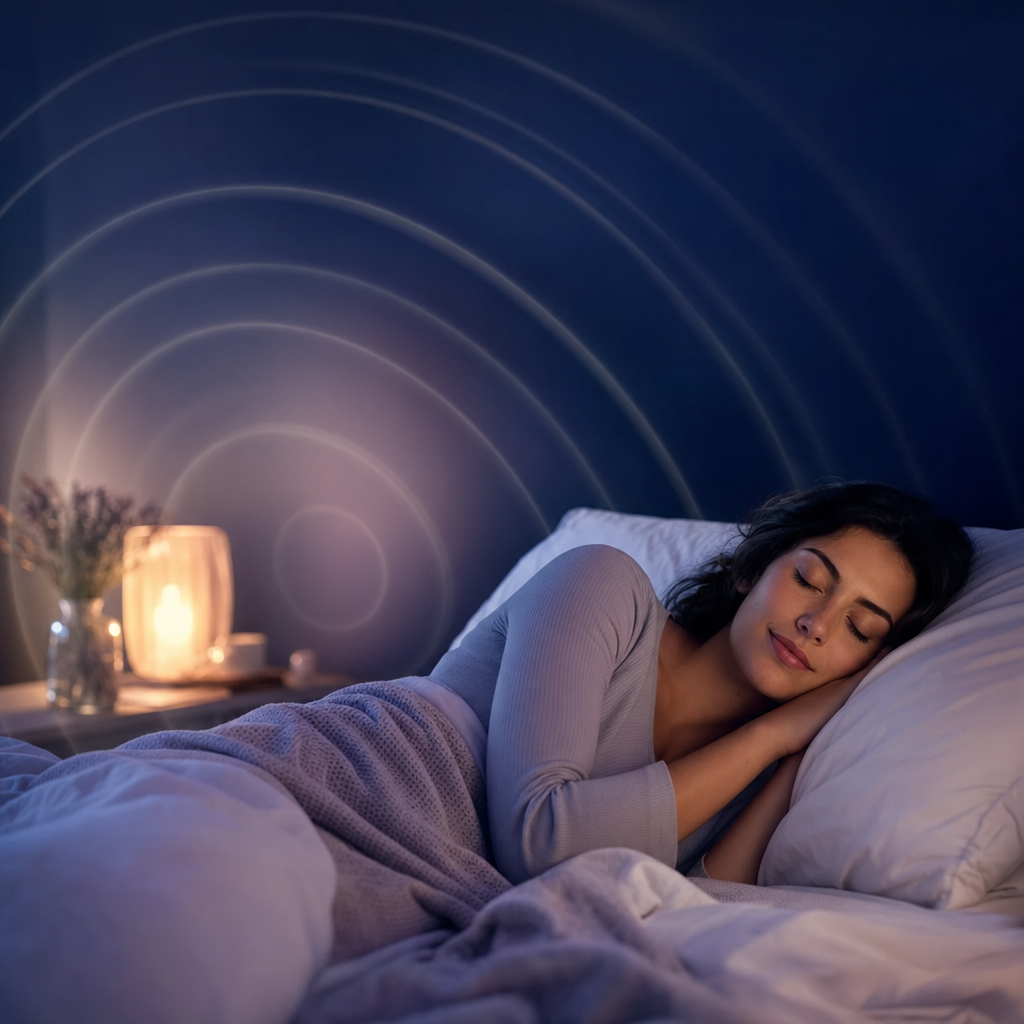
- The most sleep-friendly sounds are steady, low, and unchanging — they mask disruptive noise and give the mind something calm to rest on.
- Popular options include soft music (such as 432 Hz), rain and nature sounds, white noise, and low "brown" noise.
- Continuous, seamless sound is better than anything with sudden changes, which can wake you during light sleep.
- A comfortable sleep-sound volume is low — around 40–50 dB — so it fades into the background.
- Using the same sound each night trains your brain to associate it with sleep.
The right bedtime sound can genuinely help you fall asleep faster and stay asleep — by masking disruptive noise and giving a busy mind something calm to settle on. But not all sounds are equal. Here is a simple guide to what sounds help you sleep, why they work, and how to pick the best one for you.
What makes a sound good for sleep?
Three qualities matter most: the sound should be steady (no sudden changes to jolt you awake), low and gentle (soft rather than sharp), and continuous (no gaps or ads). Together these lower arousal and cover the random noises — a creaking house, a passing car — that fragment sleep.
The best sounds for sleep
Soft, lyric-free music
Slow instrumental music is one of the most reliable sleep aids because it both masks noise and calms the mind. Warm, low tunings like 432 Hz are especially popular — our Deep Sleep Music playlist is built for exactly this.
Rain and nature sounds
Rain, ocean waves and gentle streams are steady and familiar, which many people find deeply soothing. Their soft, random texture is excellent at masking sudden noises.
White and brown noise
White noise is an even blend of all frequencies — think radio static or a fan — and is very effective at covering background sound. Brown noise is a deeper, lower version that many find warmer and less harsh, which is why it has become popular for sleep and focus.
How to use sleep sounds well
Keep the volume low — around 40–50 dB, just enough to notice. Use a continuous source — a long, seamless playlist or a loop, so there is no sudden silence. Pick one and stick with it so your brain learns the cue. And start it as part of a calm wind-down rather than a last resort at 3am — the same principle behind our guide to falling asleep fast.
Speaker, earbuds or pillow?
A small bedside speaker is usually most comfortable for a full night. If you share a bed, a pillow speaker or sleep-friendly earbuds let you listen without disturbing your partner.
Frequently asked questions
What is the best sound to fall asleep to?
There is no single winner — it comes down to preference. Soft lyric-free music (like 432 Hz), rain and nature sounds, white noise and brown noise are all excellent. The key is that the sound is steady, low and continuous.
Is it better to sleep with sound or silence?
It depends on your environment. In a quiet room, silence is fine. If outside noise or a racing mind keeps you up, a steady background sound masks disruptions and helps you settle — often making a real difference.
Is white noise or brown noise better for sleep?
Both work; it is a matter of taste. Brown noise is deeper and softer, which many people find warmer and less harsh than white noise. Try each and keep whichever helps you drift off more easily.
What sounds help you fall asleep fast?
Slow, low, continuous sounds — calming music, steady rain, or brown noise — work fastest because they lower arousal and quiet the mind. Keep the volume low and use the same sound nightly to build a strong sleep cue.