Do Binaural Beats Work? An Honest Look at the Evidence
Binaural beats promise better focus, sleep and calm — but do they actually work? This guide gives an honest look at the science, what they can and cannot do, and how to get real value from them.


- Binaural beats create a perceived "beat" from two slightly different tones, one per ear.
- Evidence is mixed but leans positive for relaxation, reduced anxiety and perceived focus.
- Claims of dramatic, guaranteed brainwave "entrainment" are overstated by the science.
- The reliable benefit is lowered arousal and a steady focus for the mind to follow.
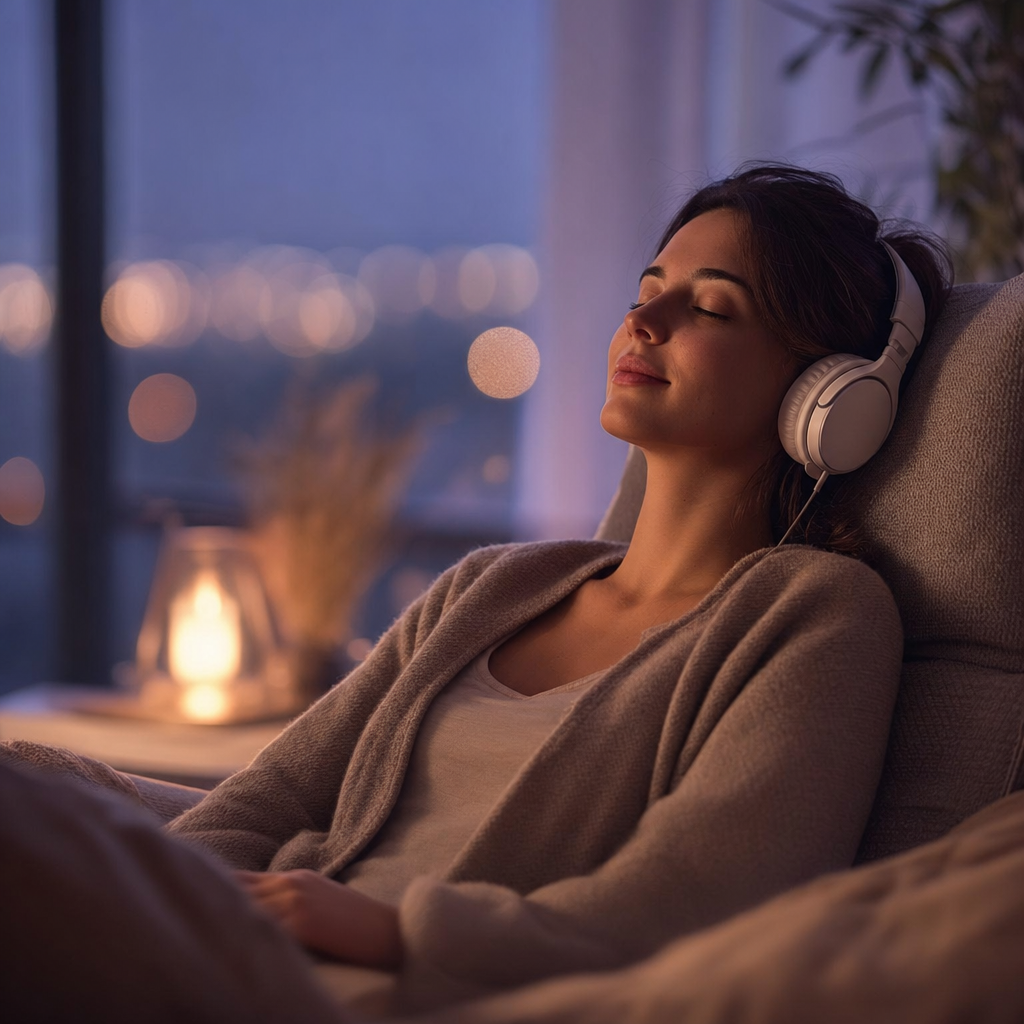
- They work best as a consistent ritual — headphones, low volume, calm breathing.
Binaural beats are everywhere, promising deeper focus, better sleep and instant calm. So do binaural beats actually work? Here is the honest, evidence-based answer — what they can do, what is overhyped, and how to get real value.
What binaural beats claim to do
The theory is "brainwave entrainment": by presenting a perceived beat at a target frequency, your brainwaves gradually sync to it, shifting you into focus, relaxation or sleep. It is an appealing idea — and partly supported, partly overstated.
What the evidence actually shows
The research is mixed but leans positive. Several studies report reduced anxiety, improved mood, and better perceived focus or sleep with binaural beats. Others find small or no effects on brainwaves directly. The fair summary: binaural beats reliably help people relax and concentrate, but the strong claim that they forcibly "reprogram" your brainwaves is not well established.
Why they still help
“Do binaural beats work? Yes — as a reliable way to sit still, breathe, and give your attention a single calm thing to hold.”
Even setting the entrainment debate aside, binaural beats work because they lower arousal and give your mind a single, steady thing to follow — which is genuinely useful for focus, calm and sleep. For focused work specifically, a steady soundscape like our Deep Focus Music playlist does the same job without headphones.
How to get real value
Use headphones for the true effect, pick a track matched to your goal (beta/alpha for focus, theta/delta for sleep), keep the volume low, and use it consistently. Do not expect magic — expect a reliable nudge toward the state you want.
Frequently asked questions
Do binaural beats actually work?
They reliably help people relax and focus, and several studies show reduced anxiety and better perceived sleep. The stronger claim that they forcibly change your brainwaves is not well established.
How long do binaural beats take to work?
Most people feel calmer or more focused within 10–20 minutes. Consistency improves the effect over time.
Do binaural beats work without headphones?
Not as true binaural beats — the effect needs a different tone in each ear. Without headphones you still get relaxing sound, which is beneficial on its own.
Are binaural beats safe?
Yes, for most people at a comfortable volume. Those with audio-sensitive epilepsy should take the usual precautions with any rhythmic audio.